About Oxidized Starch
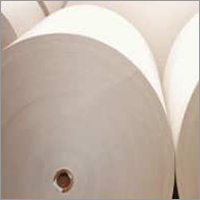
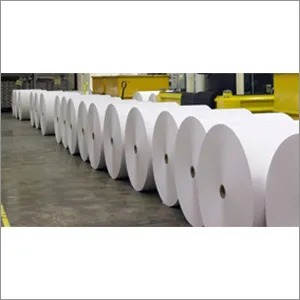
Oxidized Starchis made by treating food starch with sodium hypochlorite in line with a good manufacturing practices. Carboxyl groups are purposefully produced during oxidation. Generating a sturdy and flexible film fiber, aids in enhancing the wax pick and smoothness of the paper. This starch is extensively used in the paper industry. Oxidized Starch is utilized in a manufacturing or commercial setting to fry fish and meat. For flattering and smoothing of yarn in the fabric and/or textile sector. This is very effective to use.
Technical specification
|
Parameters
|
Limits
|
|
Appearance
|
White free Flowing powder
|
|
pH of 2% slurry
|
6.0 to 8.0
|
|
Moisture content
|
13.0% max
|
|
Viscosity of 2% Solution in brickfield viscometer at 50 Degree C
|
50-500 cps
|
|
Ash Content
|
1.5% max
|
|
Brightness
|
93.0% min
|
|
Cold water Solubility
|
4.0% max
|
Exceptional Purity and PerformanceOxidized starch outperforms conventional starches by delivering superior whiteness (over 90%) and high purity. Its modified chemical composition, featuring oxidized polysaccharides, carboxyl, and carbonyl groups, endows it with enhanced reactivity and functional characteristics for precise industrial applications.
Versatile Applications Across IndustriesThis industrial-grade starch is extensively used in surface sizing, coating, and finishing within the paper and textile sectors. Its easy dispersion in cold water and consistent viscosity supports streamlined processes, while its high purity ensures reliability for adhesive and select food industry uses.
FAQs of Oxidized Starch:
Q: How should oxidized starch be stored to maintain its quality?
A: Oxidized starch should be stored in a cool, dry environment, inside tightly sealed PP bags with inner liners. This storage condition helps preserve its shelf life (up to 2 years) and ensures that moisture uptake does not compromise its characteristics.
Q: What is the recommended process for dispersing oxidized starch in applications?
A: Oxidized starch is easily dispersible in cold water. For usage in industrial processes, gradually add the powder to water while stirring to avoid lumps, ensuring it dissolves uniformly before proceeding with surface sizing, coating, or finishing operations.
Q: When is oxidized starch typically used in industrial processes?
A: Oxidized starch is employed during the surface sizing, coating, and finishing stages of manufacturing, particularly in the paper and textile industries. Its low to moderate viscosity depending on grade makes it adaptable for precise process requirements.
Q: Where is oxidized starch commonly applied?
A: This modified starch finds application in paper mills, textile processing units, adhesive manufacturing facilities, and select food industry operations that require high purity and odorless starch ingredients.
Q: What benefits does oxidized starch provide in industrial usage?
A: Oxidized starch offers enhanced whiteness, high purity, and consistent viscosity, contributing to improved product quality in surface sizing and coating. Its chemical composition provides better reactivity, and its odorless, easily dispersible form streamlines processing.
Q: Is oxidized starch suitable for all grades of industrial operations?
A: Oxidized starch is manufactured to meet industrial grade standards, with customizable viscosity depending on selected grade, making it suitable for diverse requirements in paper, textile, and adhesive processes.